
Raising Resilient Children Through Exploring Our Fear
Feb 03, 2026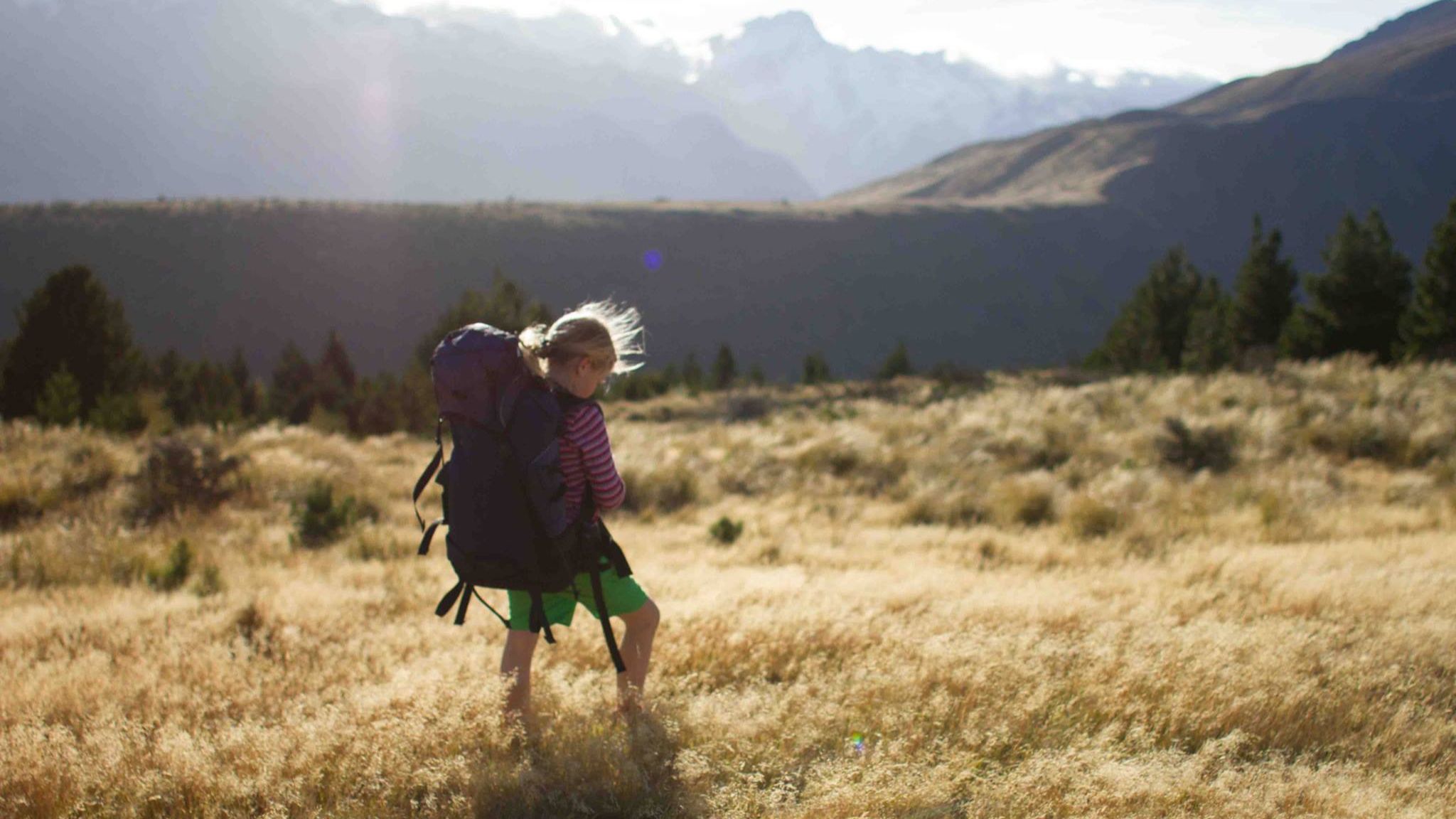
Watching Her Walk Into the Weather - Alone
The other day, my 16-year-old daughter announced that she would go on a three day walk, alone. Well, not completely alone. She would be taking her aunty’s dog with her. (As in all my personal stories, names have been changed for privacy purposes).
She planned to go to a mountain range about twenty minutes’ drive from our house, and she exclaimed it had to happen the very next day, leaving straight after her flower-picking job. The hike to the first hut she had done with us several times before, when she was a lot younger. She planned to sleep in huts along the trail, small and simple huts without a fireplace but offering shelter and a mattress.
A part of me felt proud. Woww. She felt confident enough to go on a trip like that, to spend days in the company of her very own self!
A split second later, another part of me completely freaked out. Did she really understand the risks? Most of the trail had no phone reception. The forecast looked grim, even though it was summer. Rain, wind, and low temperatures were predicted.
The next day, when I picked her up from her flower-picking job, I thought surely she would have changed her mind. The weather was awful, and she had not even packed her bag yet.
But I was wrong. She told me everything was going according to plan. “We’ll go home first, feed the horses and pack up, then you can drop me off, Mum.”
I was perplexed. The weather was terrible. This was a terrible idea! She would be walking along an exposed ridgeline and descending what locals call “the devil’s staircase,” a name that felt worryingly accurate for the terrain.
What if she fell and hurt herself? She would be out of reception and unable to let us know she was okay. In this weather, she would get cold very quickly whenever she stopped walking. She could develop hypothermia. So many people die from hypothermia in the mountains...
While these thoughts were racing through my mind, she rang her aunty to say we would be picking up the dog soon. “Please pack Molly some food and her doggy coat.” I overheard the conversation. Her aunty, Karen, sounded surprised. She had assumed Sarah would abandon the plan given the weather.
Karen and I both tried to convince her it would be better to go another day. Sarah stayed firm. She became increasingly frustrated each time we tried to talk her out of it. Time kept rolling, and summer daylight aside, the afternoon was stretching toward evening.
This was a wobbly parenting moment for me. Part of me understood that she wanted to be trusted to make her own decisions and to do so with confidence.
That part of me was what ultimately moved me to take her. By then it was 4:30 in the afternoon. We jumped into the car.
Another part of me was deeply afraid and concerned for her safety. My nervous system was fully activated. 'That pack was hastily thrown together. Not ideal,' I thought. 'Packing in a rush often means forgetting things. And since she is passionate about keeping her pack as light as possible, every item really matters. Typical for her to pack at the last minute,' I muttered to myself.
We drove up the long, winding gravel road to the start of the trail. I calculated the hours and the time she would make it to the hut. It would be just before sunset, I figured out.
“Do you have a headtorch?” I asked.
“Yes, Mum,” she replied, her voice carrying frustration.
She sighed. “I will be fine, Mum.”
Yeah, a part of me trusted that. Another part of me was afraid. The ‘what ifs’ looped relentlessly in my mind. The gasping, the flinching, the tension running through my body. My fear was showing up big time, even as I tried to push it away.
Parenting Between Fear and Trust
As a young parent, I spent a lot of time researching child development, and was inspired by Peter Gray (psychologist and author of Free to Learn) and others who write about how our modern focus on "keeping children safe" can actually get in the way of their healthy development. I often found my heart sink when I heard a parent yell, “Careful! You’re going to fall!” while their child is joyfully climbing to the top of a climbing rack with a thick impact-absorbing surface beneath them, or, “That’s dangerous, don’t touch it,” when the object is unfamiliar but not actually risky, or “What if you get hurt?” before the child even has a chance to assess the situation for themselves.
I’ve learned that when we respond to situations with fear or alarm, we can unintentionally shape our child’s confidence and trust in the world (see here for an interesting publication by Brussoni et al., 2012 ). Kids are highly attuned to our emotional states. When they sense anxiety, they mirror it, often becoming overly cautious or anxious themselves, even in situations that are actually safe. When parents intervene constantly or restrict play out of worry, they limit opportunities for children to learn essential skills. Figuring out risk, solving problems, and building physical coordination all require hands-on experience. Without it, children may struggle to face challenges on their own. Paradoxically, the riskiest choice can be letting our own fear dictate what our children do. By stepping back and allowing them to explore, take manageable risks, and learn from experience, we support their growth and trust in themselves. From the very start, my aim has been to raise my children from a place of trust, not fear.
But even as a parent who understands the value of free play and exploration with some risk, I struggle to find solidity and clarity within myself from a nervous system perspective.
Driving home, I felt the full hit of that parenting wobble... the one where you know you haven’t quite shown up the way you hoped. I wanted to wave her off with a cheerful, “Go have fun, I know you’ve got this!” Instead, she left with a snese of frustration and 'leave me alone mum, you are not at all offering the support i need' kind of sense.
After reflecting on this situation, I wondered: How can we as parents regulate our fear, our nervous system, so we can encourage our child to explore freely and develop well? And when a risk feels too great, how do we communicate this calmly? (I find this to be especially important with teens, who tend to rebel when we simply tell them something is unsafe). It’s not easy, yet it is an essential practice for guiding our children with trust rather than fear.
When Fear Arises: A Pathway to Presence and Trust
Fear is something I want to continue to actively explore within myself and as a parent. Nonviolent Communication (NVC) offers a pathway. I encourage you to revisit your moments of fear. And when you grow into being able to identlfy your fear, you can take these next steps when you find yourself stuck in fear:
1. Notice Your Body and Emotions
Send curious attention to what fear feels like in your body: tight chest, fast heartbeat, shallow breathing, tense shoulders.
For example:
“I notice a tight gripping feeling in my chest and throat. My breathing is high and in my chest. My heart is racing. I feel fear about letting my child climb that tree.”
2. Enquire silently
Recognize that this is your nervous system signaling perceived danger, not necessarily reality. Ask: What am I afraid might happen? What are these feelings telling me? What am I needing?
For example:
“I worry he might fall and get really badly hurt. I really want to care for his safety.”
3. Separate Actual Risk from Your Fear
Ask: What is truly dangerous here? What part of this fear comes from my own history, expectations or imaginations? Remember that research shows that children are generally quite capable of assessing and managing risk (Brussoni et al., 2012; Sandseter & Kennair, 2011).
For example:
“I remember my neighbour who recently fell off a ladder and broke his back, and I notice my mind producing similar images of my child falling.
When I look at her, I notice she is gripping branches thicker than her wrist and keeping her body close to the trunk. As I take that in, I feel my body settle, and I sense that she is aware of the risk and responding to it.”
4. Breathe and Self-Regulate, Then Speak
If you decide to intervene and speak, offering information to care for safety, notice whether your voice carries calm and presence, so your child can hear care rather than fear.
Slow, deep breathing supports your nervous system to settle, creating the conditions to respond rather than react.
For example:
"Darling, I’m feeling a bit stretched watching you climb higher. It would help me feel reassured if you hold onto branches thicker than your wrist and avoid dead branches. Before you go higher, can you tell me what you heard me say would reassure me?
Are there any other ways you can think of to help yourself stay safe as you climb?”
Post Rehearsal
Another strategy to support our growth around fear is to do a 're-do.' Take a moment to imagine how you would have liked that situation to play out. What might have helped you stay connected to yourself? What could you have said?
I wished I had taken a moment to pause and connect with myself as soon as she told me she was still going to go, despite the weather.
Hey Sarah, before we leave, I want to say something important to me.
First, I’m really celebrating what I see as resilience. I love hearing that you want to go on this trip by yourself, and that you feel confident and capable, even with the weather being uncomfortable. How does that feel to hear?
I also want to share a little bit of information for my own peace of mind. Even with your PLB, help can take a while to arrive in cold, wet conditions. Bringing an emergency blanket and a foam mat, both super lightweight, would reduce the risk of getting too cold if you had to wait for help. It would give me peace of mind if you could bring these. Are you willing?
The End
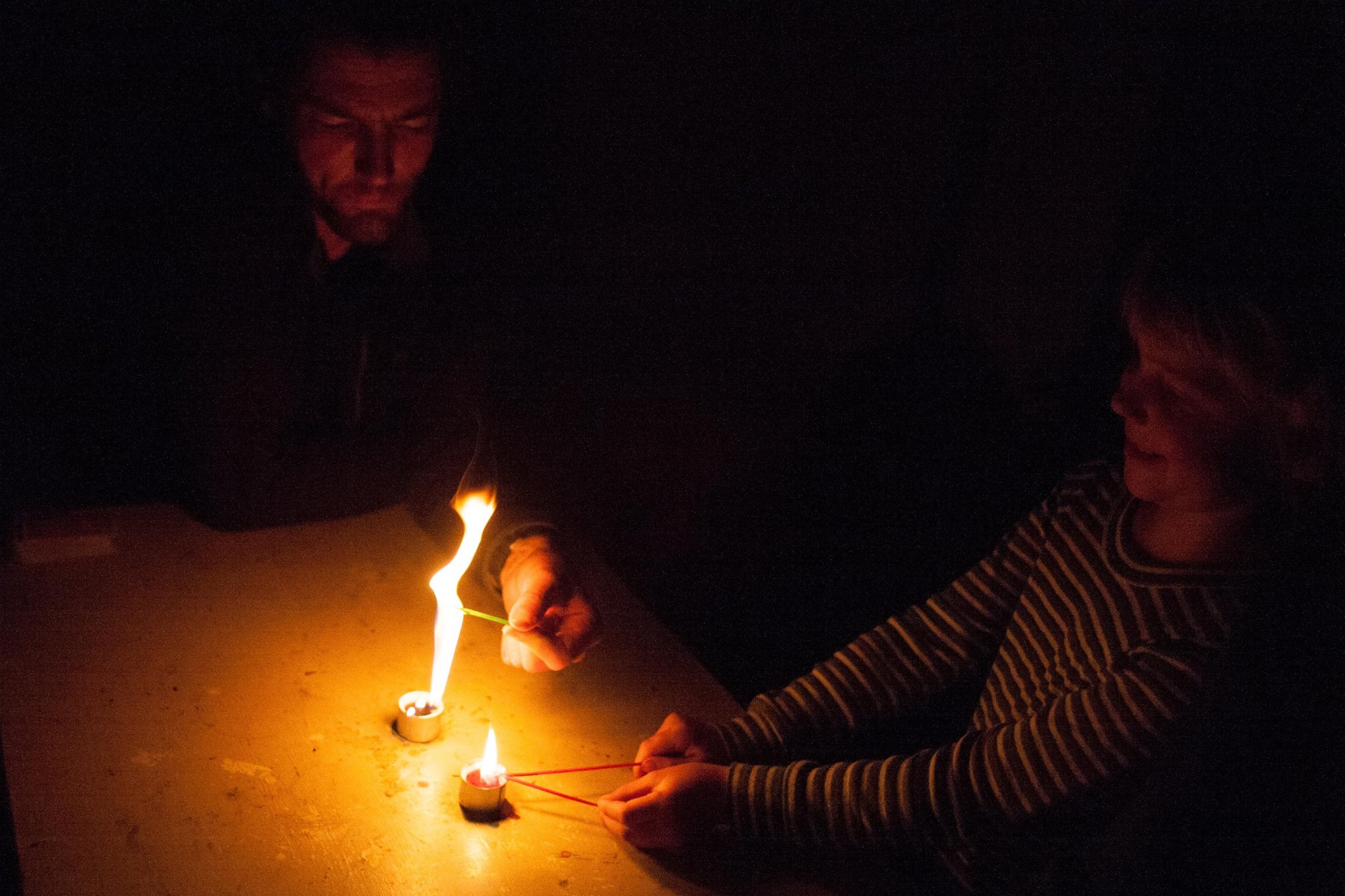
Many hours later that night, my husband and I set off at the start of the trail to the first hut, shadows moving from the glow of our headtorches. After 4.5 hours of hiking, we finally reached the hut. It was well past midnight. The dog barked as we climbed the steps onto the verandah, and there she was, sitting up in her sleeping bag, eyes wide and blinded by our lights, clearly wondering what on earth was happening. Safe and sound. The next morning, we sent her off with fresh strawberries, an emergency blanket, and a foam mat. Just in case.
Curious to learn more?
👉 Are you overwhelmed and unsure where to start to make change in your family? Sign up for our FREE Family Reconnection Starter Pack - lovingly designed to help you start your journey towards greater peace and connection in your family, starting today.
🧡 If you are ready to start today to shift your family out of chaos and towards more peace and ease, have a look at our From Chaos to Connection online programme.
Blog Authors


